These creations are made using a proprietary technique that gives the best features of glassware, with the unique aesthetics of carbon fibre.


The weather ranged through the whole spectrum and the atmosphere was exciting, welcoming and family-friendly.
http://www.mysailing.com.au/news/sailing-s-rockstars-get-their-instruments-and-will-come-out-to-play-on-lake-macquarie
http://www.mysailing.com.au/news/business-as-usual-ashby-dominates-a-class-cats-invitation-race
http://www.mysailing.com.au/news/ashby-bundock-on-top-at-a-class-catamaran-nationals
http://www.mysailing.com.au/news/big-names-at-the-top-of-the-a-class-cat-leaderboard
http://www.mysailing.com.au/news/nathan-outteridge-takes-to-a-class-like-a-duck-to-water
http://www.mysailing.com.au/news/ashby-in-a-class-of-his-own-on-lake-macquarie
http://www.mysailing.com.au/news/ashby-secures-a-class-cats-with-a-day-to-spare
Pictures:
http://www.a-cat.org.au/2012-nationals/sail-world-photo-gallery-for-the-2012-nationals/
http://www.flickr.com/photos/73409289@N05
Some videos:
http://www.youtube.com/watch?v=lT_m8S7WfnU
http://www.youtube.com/watch?v=hovL91SoN6Y
http://www.youtube.com/watch?v=Pa24YlmEP0k
Official host club website:
http://www.wangirslasc.yachting.org.au/

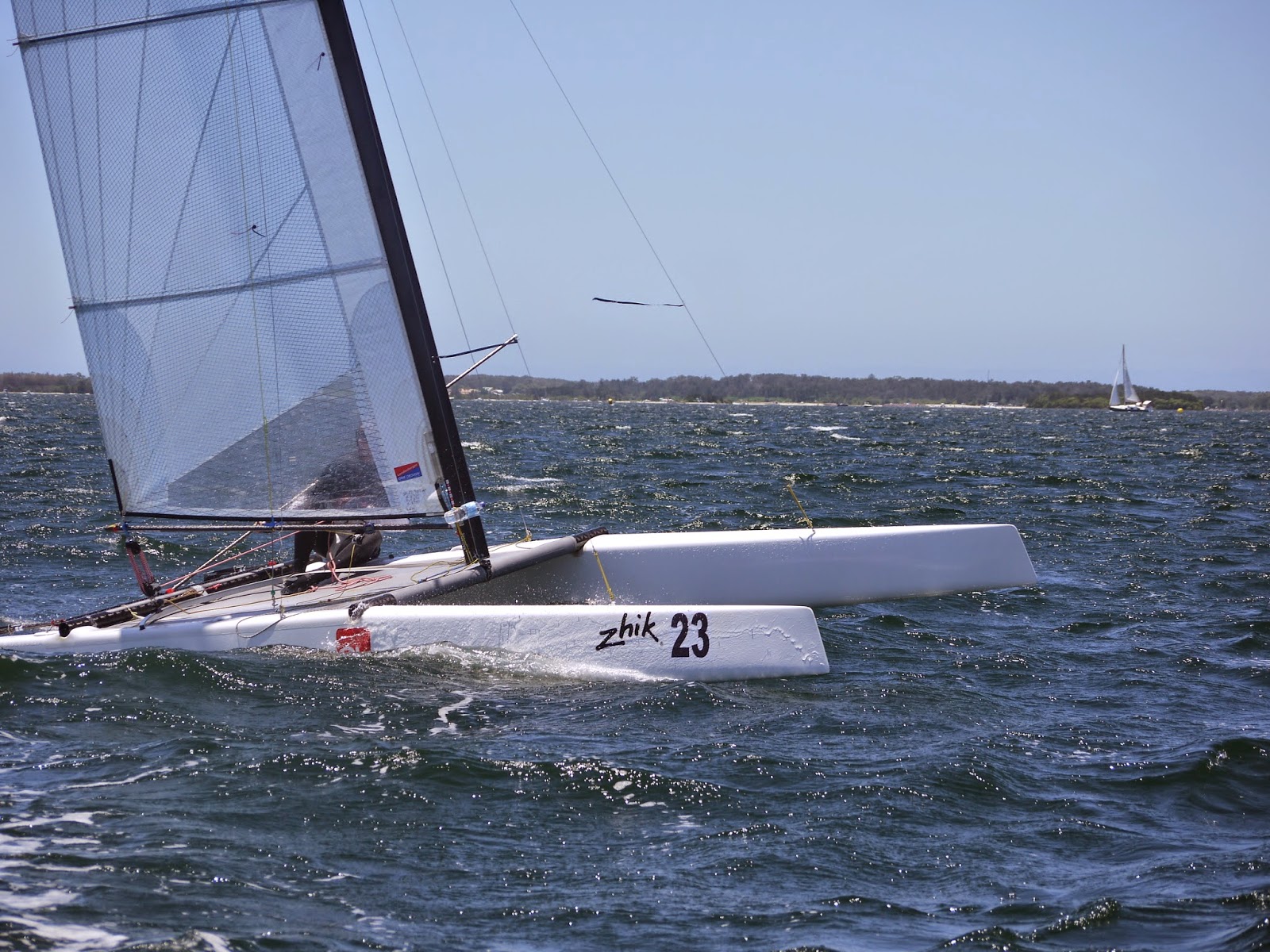
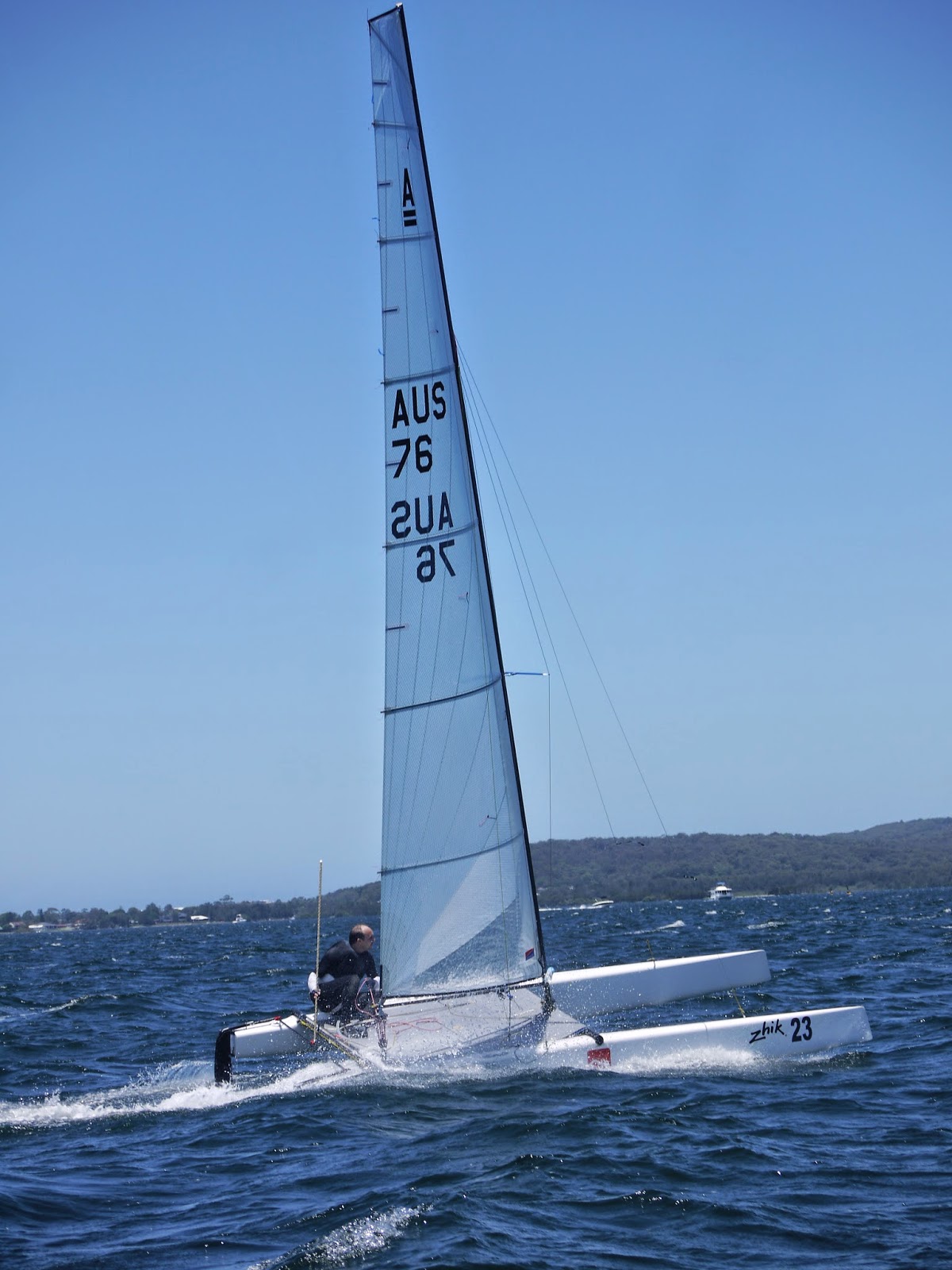 |
| These shots from ‘Bad Dog’ http://www.flickr.com/photos/73409289@N05 |
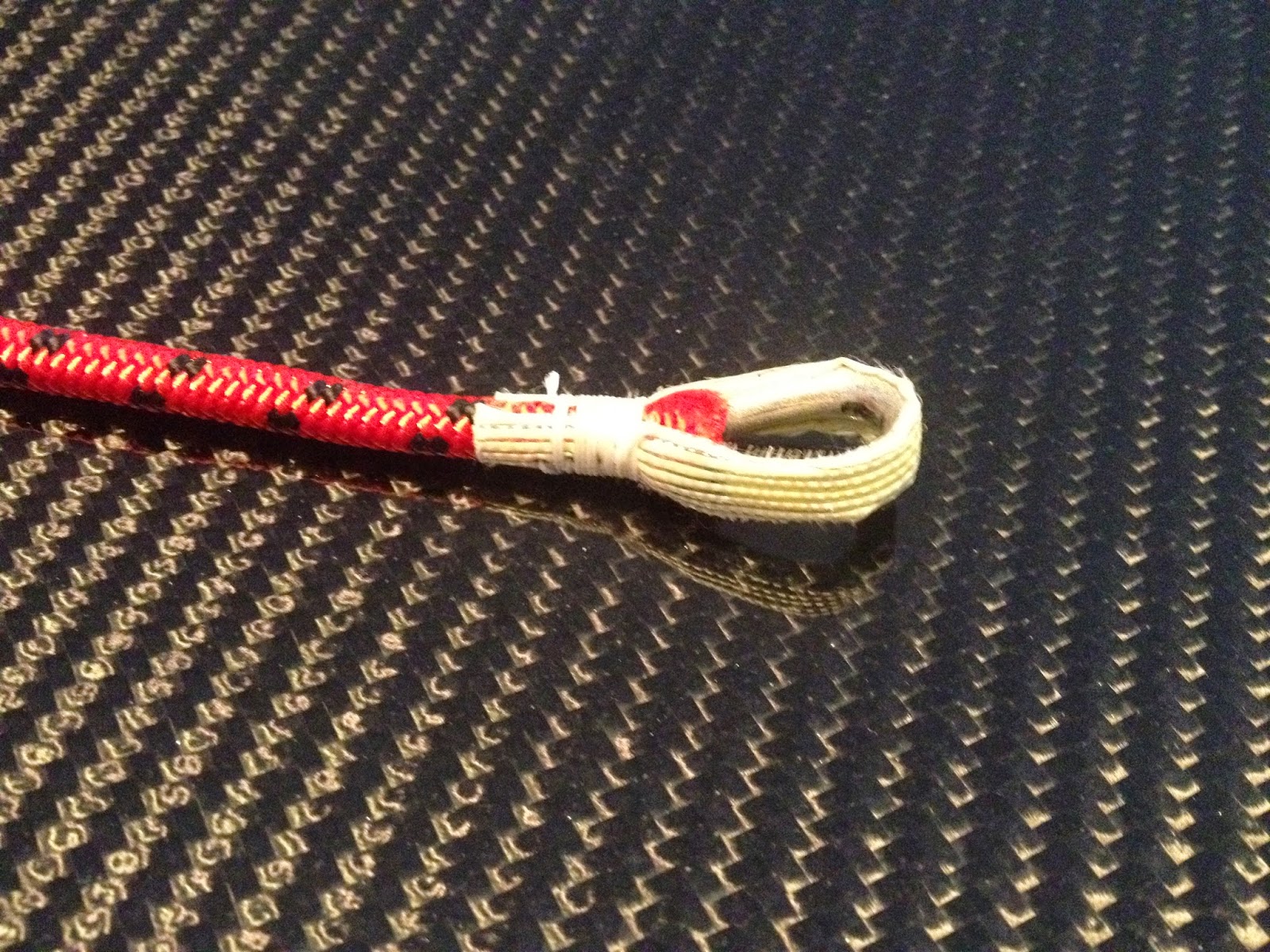
Here are some images of what we came up with…Trapeze lines: starting from the top, the 2.5 or 3mm Dyneema is spliced over a closed thimble. Both thimbles bear on a single shackle that connects them to the conventional hounds plate or T-ball ring.
There is a 200mm length of core as a chafe guard where the line may touch the stays and sail/batten.
Since the ‘hounds’ on a rotating A Cat mast are rather crowded, and occasionally the thimbles will interfere with each-other before lining up as load is applied, some stickyback aramid cloth is applied to the exposed line where it lies in the thimble.
Moving down, machined round aluminium thimbles are used at the bottom end for the lower splice and as stoppers for the T-handles. They also act as turning blocks for the lower strop that has a stopper ball at the bungee end…

The atmosphere at the regatta was excellent. A well run, well supported event in a friendly setting with many sailors of all ages enjoying the sport at its best. As always many thanks to the organisers for making it all possible.
On the first day the breeze came in late but did eventually allow four races to be sailed in building conditions that reached 15 knots by the end of proceedings. The second day piped in touching 20 knots with some steep chop so the decision was made not to push things just yet.
It certainly seems that the small boat scene and the beach cat fleet in particular are alive and well. Fantastic news for the future of our sport and for the industry.
 |
| Photo courtesy Andrew Hawkins, Mainsheet Media |
Part of my journey to discover and understand multihulls was learning to sail an A Class Catamaran (my thanks to coach Adam South for his patience) that was also used as a test platform for ideas that helped us get to grips with what makes a catamaran go.
I take this chance to wish a happy and prosperous New Year to all our loyal supporters.
 |
| Photo courtesy Gilles Martin-Raget |
The sailing and shore teams had already fitted out and assembled their first race boat at the regatta venue after completing a training camp in home waters.
The design team had put in place the test matrix and was already well into the calibration work necessary to home in on the optimum parameters for the bigger boat. Once again a lot was learned, but this time we had gone much further down the path.
We began functioning as a team and felt confident we were headed for great things.
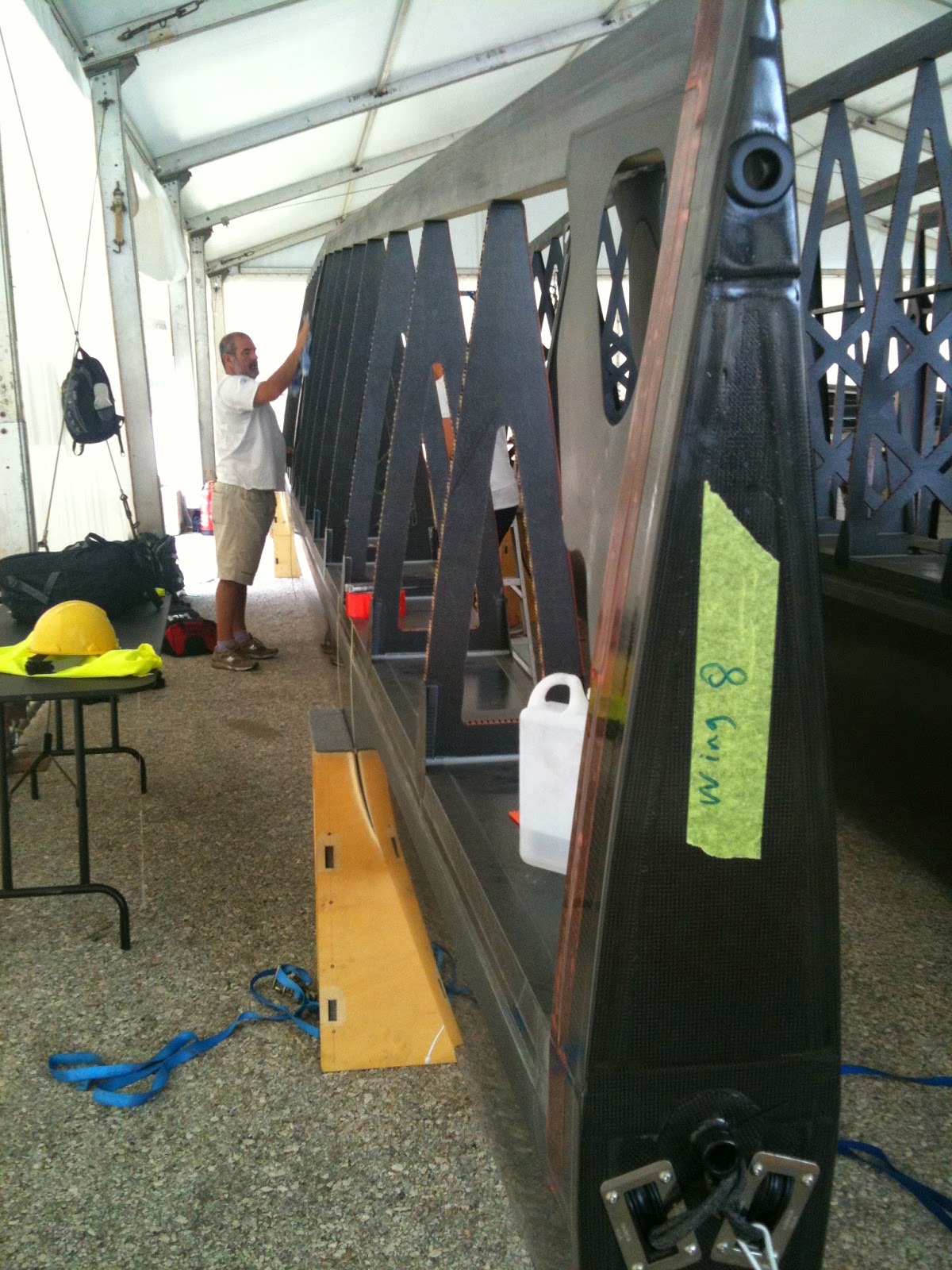
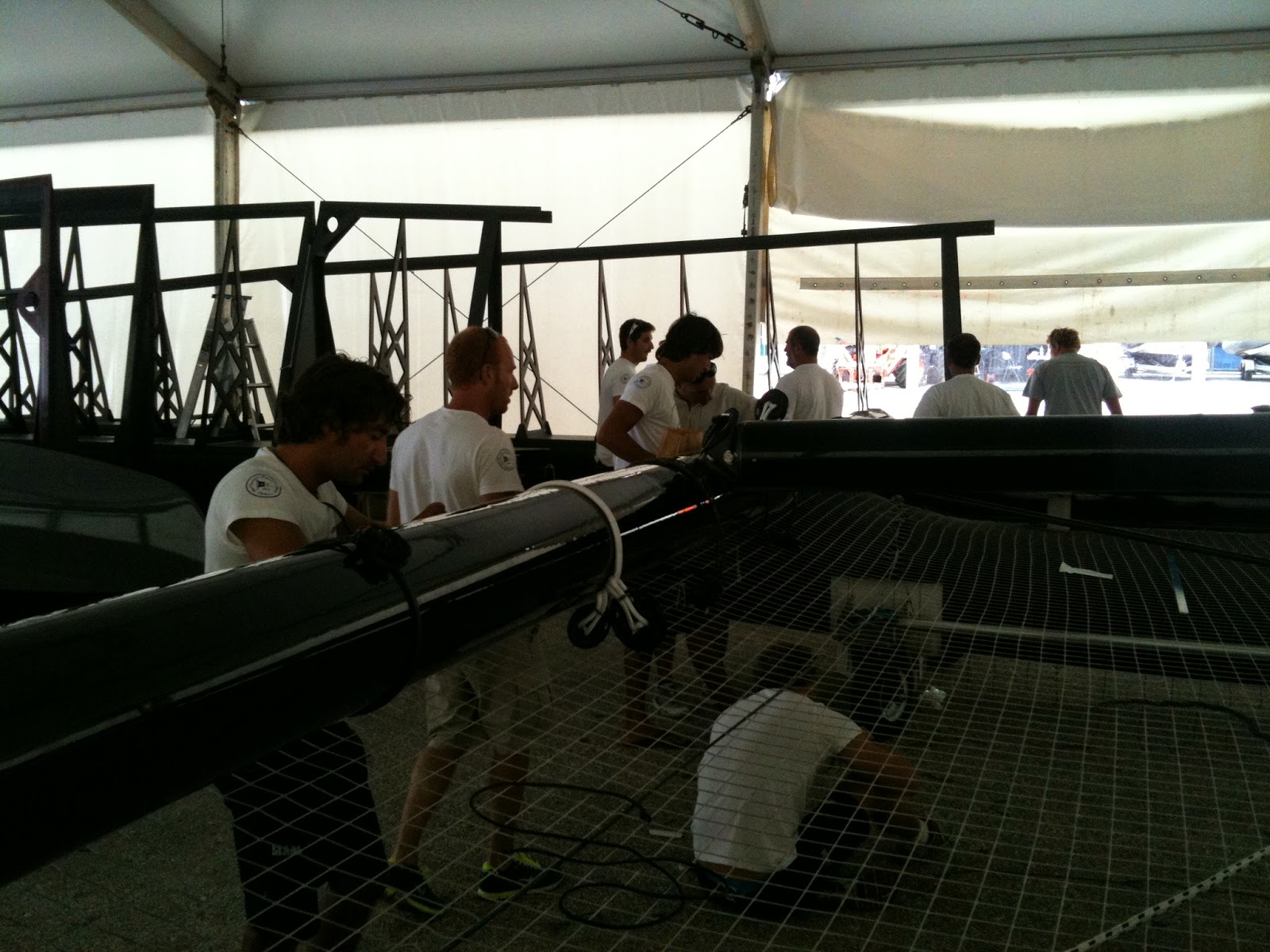
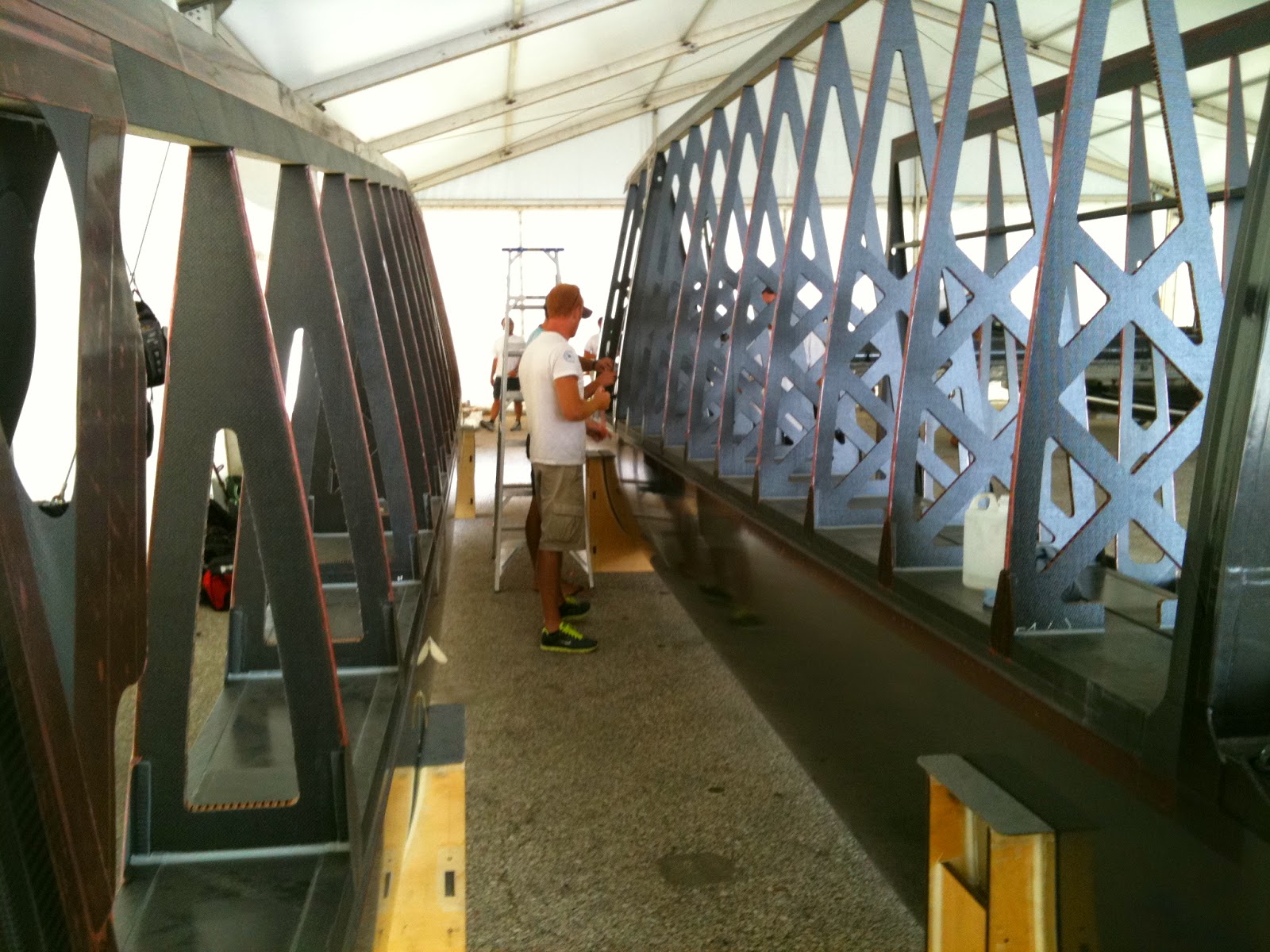
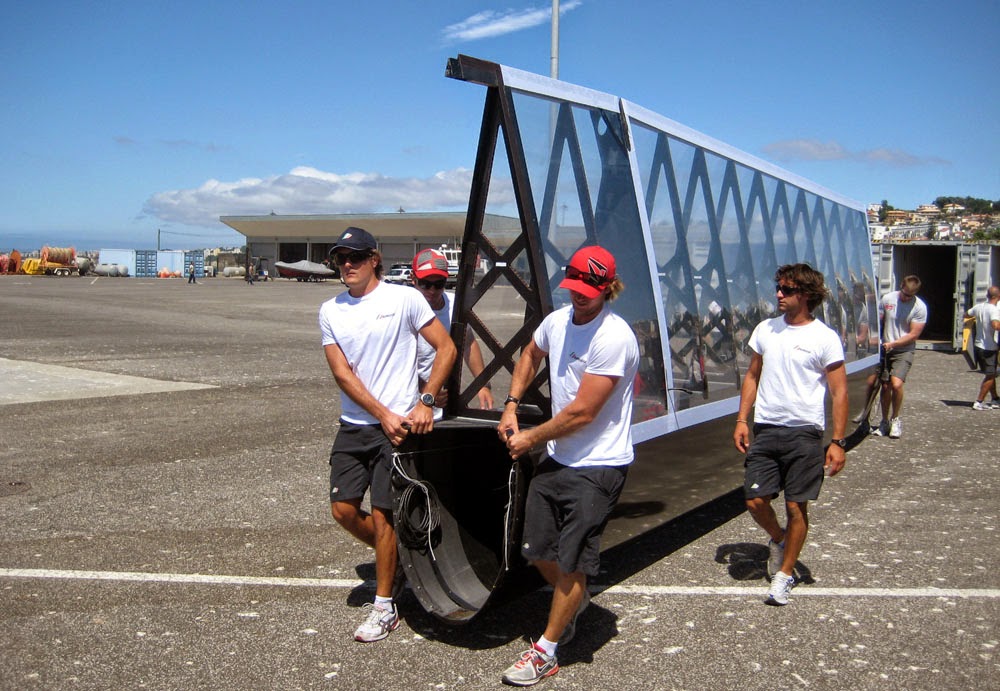
The balance of power has also shifted away from the interests of commercial teams, in favour of large privately funded entities that effectively hold the keys to the field of play.
In this framework, it is easy to imagine that ‘some animals in the farm are more equal than others’.
It is tempting to say ‘it was ever thus’, but this incarnation of the Cup has morphed beyond the reasonable expectation of politics, lobbying, intrigue and power-plays that are part of AC folklore.
A confluence of years of play stopping litigation, the economic times, a ‘non-establishment’ vehicle, and, perhaps most significantly, a Challenger of Record that was ‘friendly’ to (and possibly dependent on) the Defender (and has in any case left the picture), points to an interesting moral hazard in relation to the funding of both the event and prospective teams.
This point is worth pondering if it is really to sink in: the defender is supplying equipment to prospective challengers that can be admitted and sent off at will through thinly veiled rule pretexts.
I want to be clear that this is not a naïve idealistic realisation: politics and deal making have always been a part of professional sport. But in this case the picture is extremely unbalanced.
Instead of Challenger and Defender doggedly negotiating, each in the self-interest of securing the best chance to win, you had first a Challenger that was more interested in securing hosting rights than actually racing and winning. Then a ‘puppet’ Challenger. And finally a Challenger relying on financial backing from the Defender.
As a small aside, let us remember that we are talking about professional sport. Professional does not mean ‘full time’. It means that the people involved do it for a living. Meaning they get paid. In turn this should mean that those providing the money should expect some value in return that is commensurate with the investment. This requires arrangements to be dependable and transparent, with knowable costs that should be subordinate to the value being added.
It brings to the forefront the spectacle, excitement and technology that were once hiding in a niche of our sport (namely the C Class and, to a lesser extent, the A class).
In my opinion this fulfils the spirit of the AC as a pinnacle of international competition and a crucible for the development of performance under sail.
Yet these premises are contradicted by mandating a conservative one-manufacturer/one-design for a period much longer than the anticipated ‘hit the ground running’ introductory bracket (leaving aside the dubious implications this revenue stream has on the fiduciary duties of the Trustee/Defender).
Along the way there have been radical policy changes in the declared profit centres of the business model, particularly with regard to TV and venues.
Again, the AC has never been ‘cheap’, nor should it be.
The issue is not the size of the investment but the relationship between investment and return.
But, as with any project lacking pre-defined benchmarking, it is impossible to judge how much better the results could have been, or what would constitute an unremarkable result or a failure.
Given enough money to hire enough talent, technical excellence should be expected, not marvelled at.
That is why TNZ beating the Americans in 1995 on a shoestring budget and with wooden wings on their bulb is more remarkable than America^3 winning in ’92 with a virtually unlimited budget…
One would do well to examine the quality of the Extreme 40 coverage that uses radio controlled UAV’s and other ideas that save money to increase the value on the bottom line.
For sure similar chances will arise again in better times.
Right now the lessons learned are valuable and I intend to apply them to our other work whilst sharpening the focus for 2012.
Having done my homework on their funding, management, and philosophy, I was impressed by the commercial approach they advocated and (vitally) comfortable that the backing was in place to implement the strategies they had formulated.
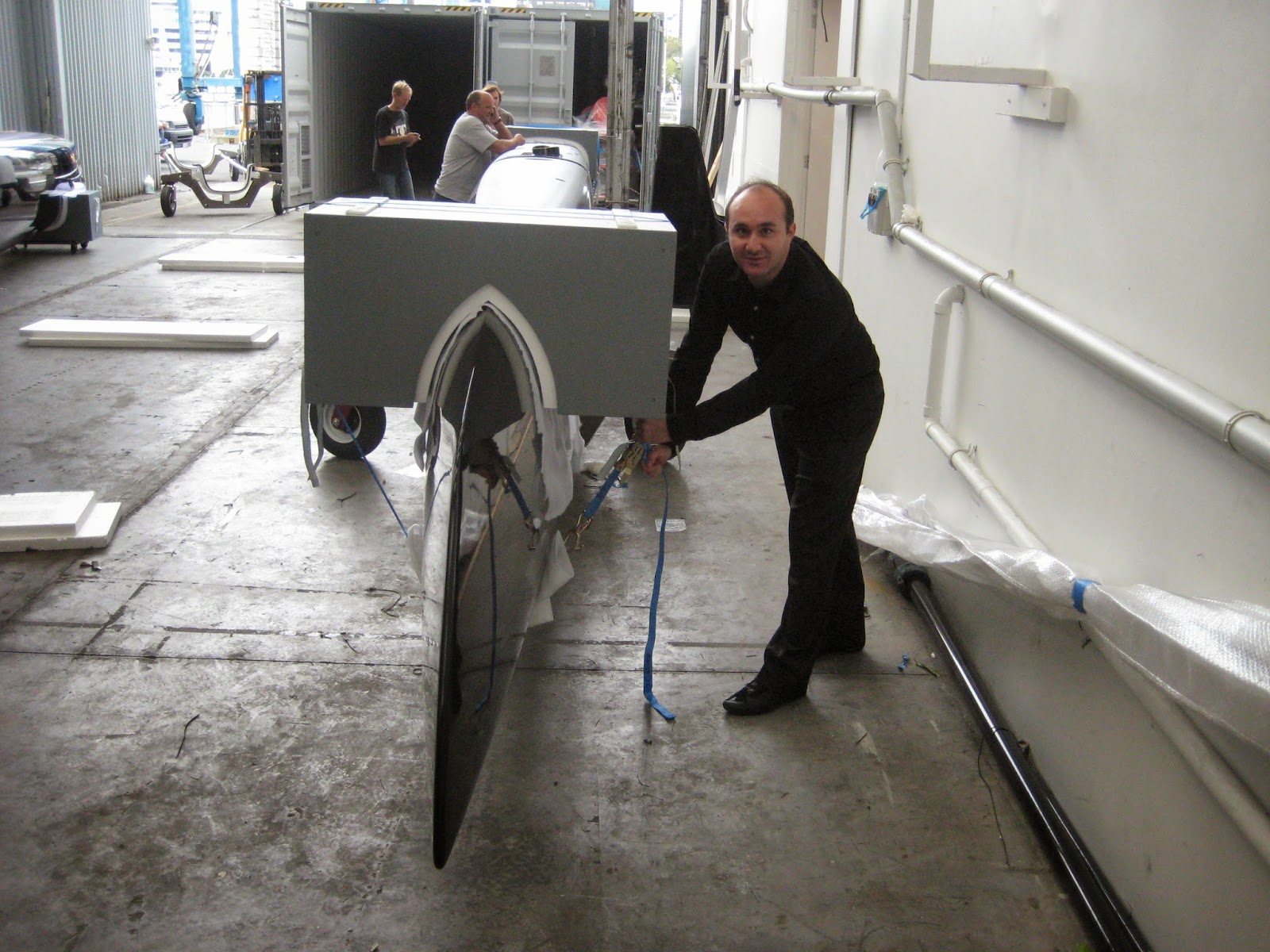
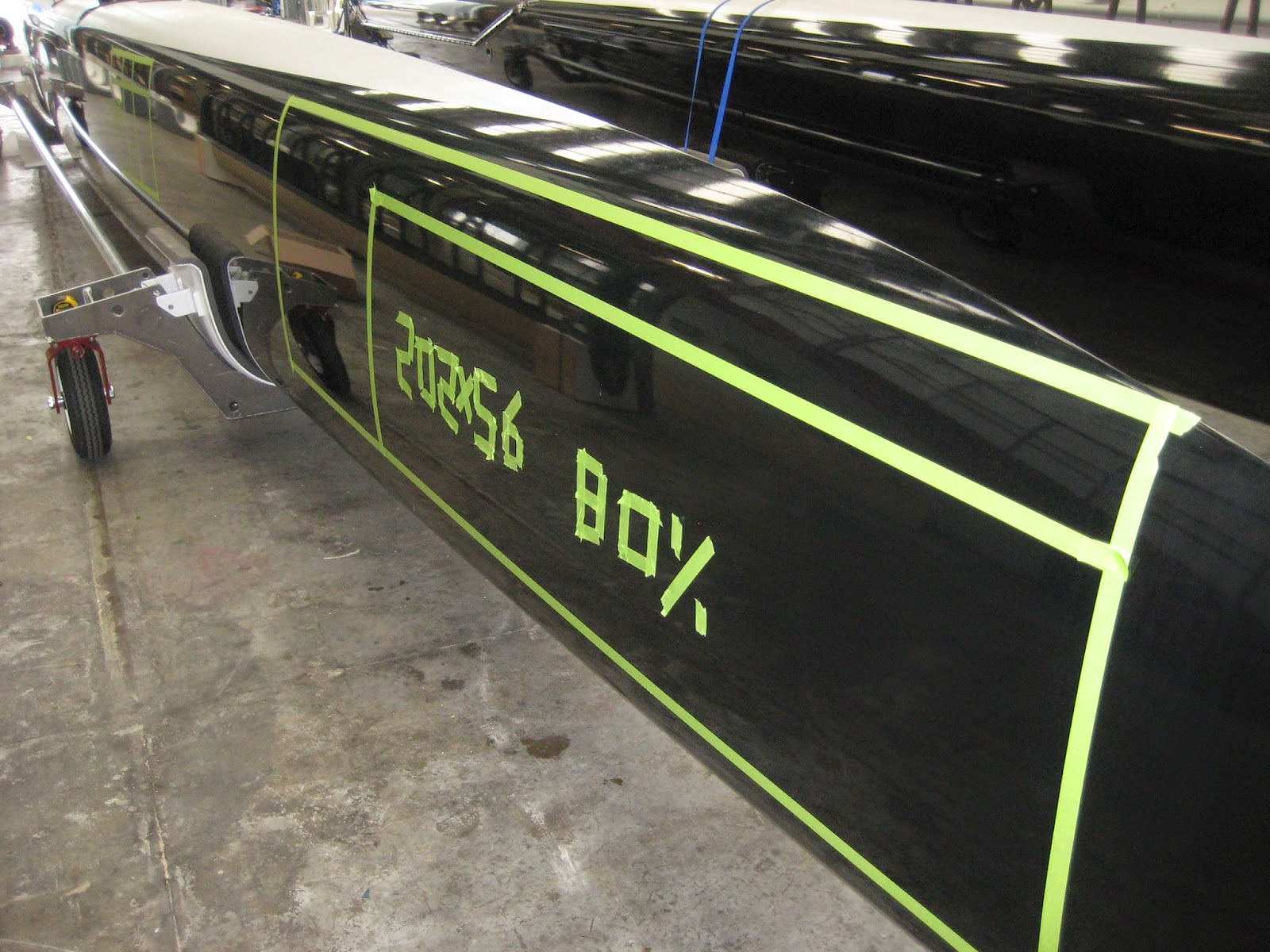
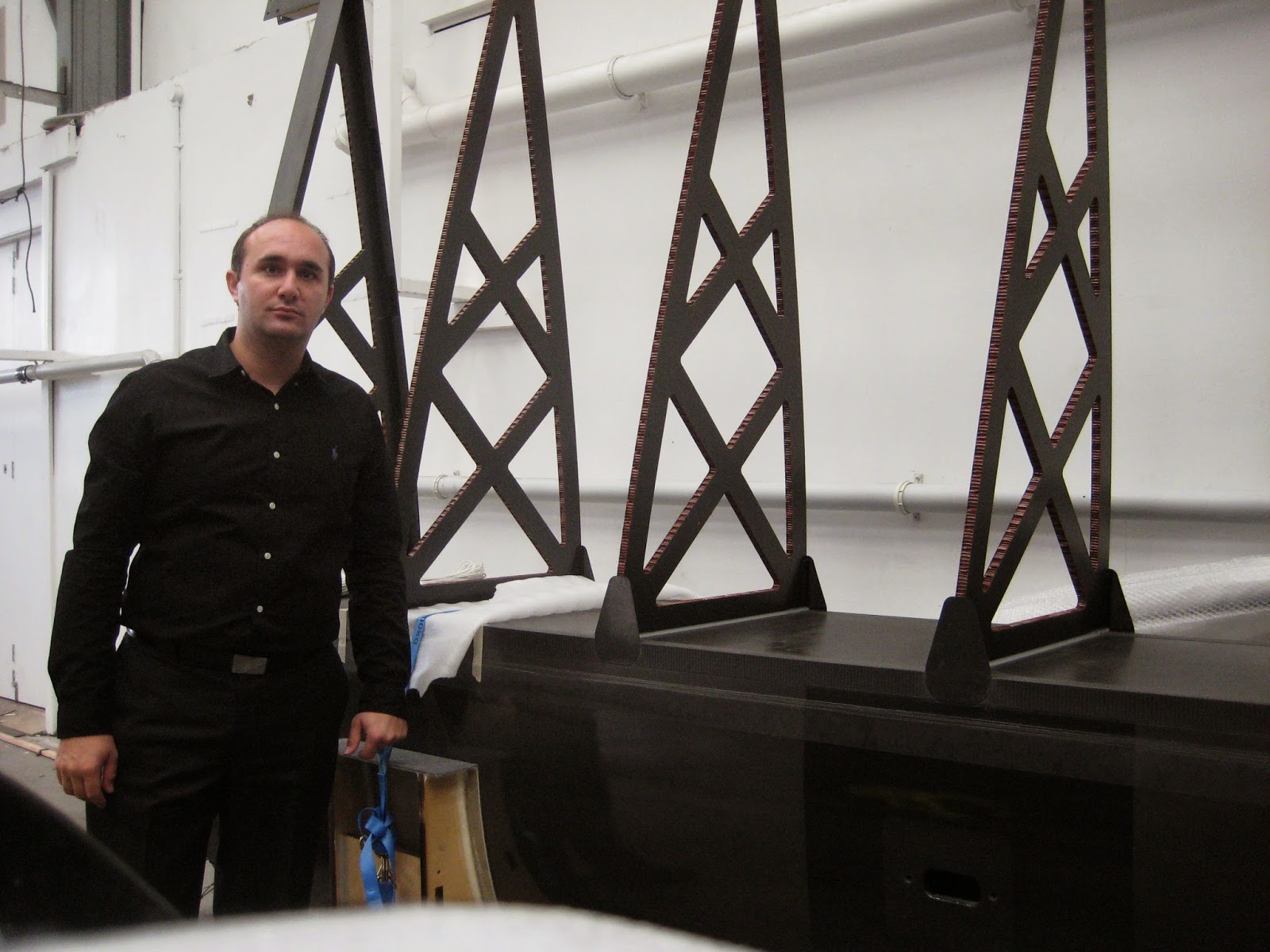
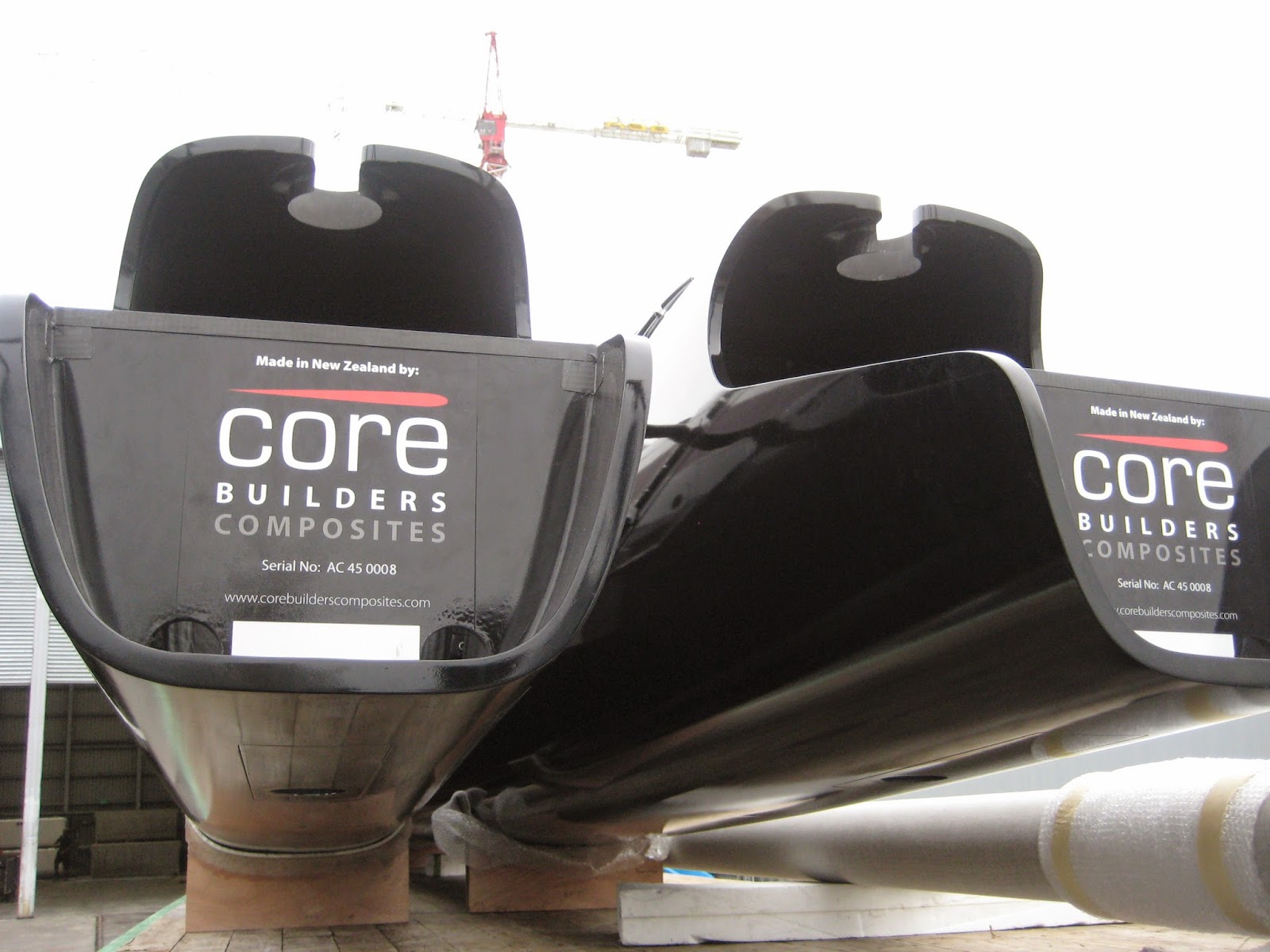
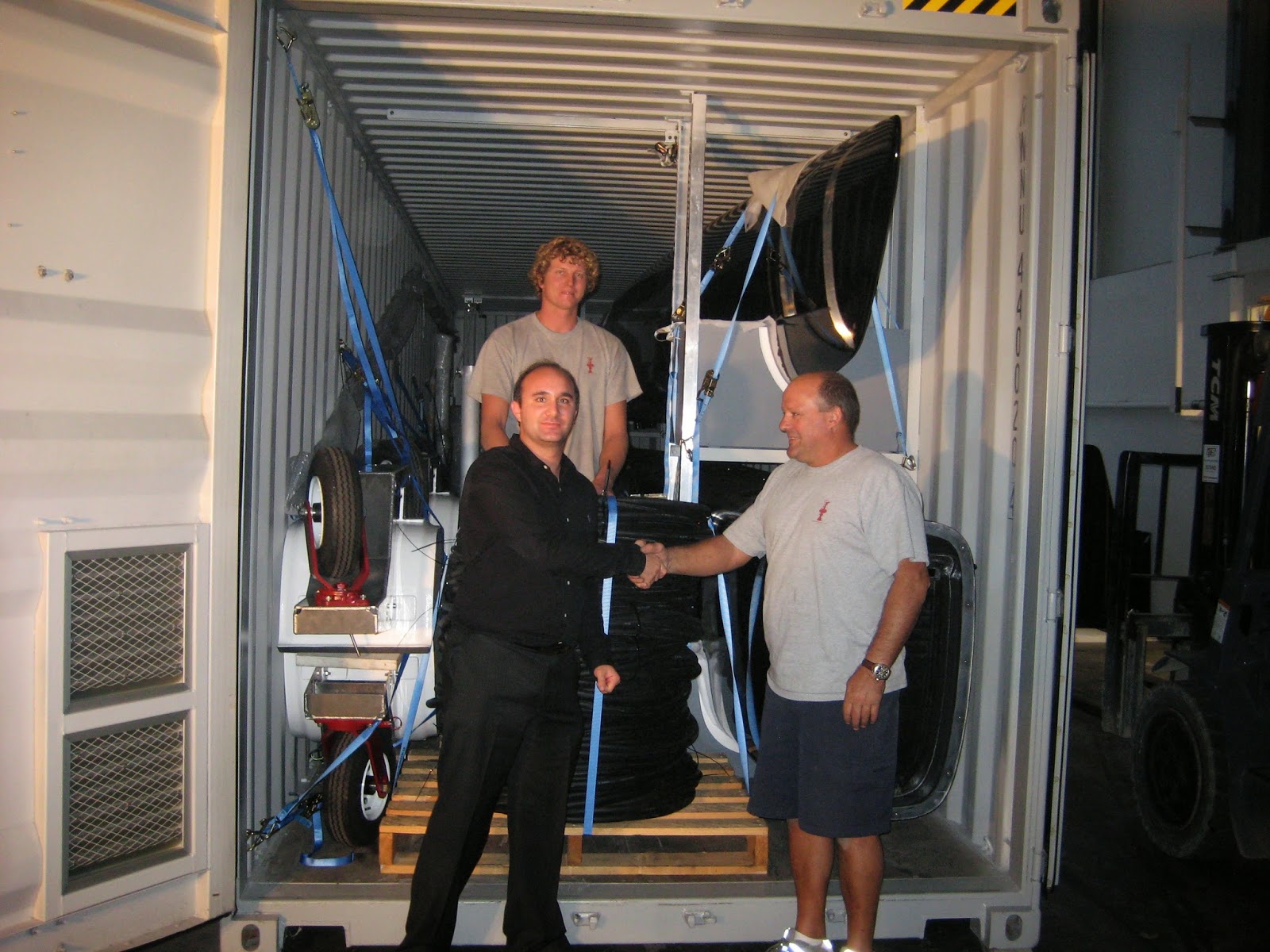 |
| AC45 purchased and loaded. Next stop Portugal… |

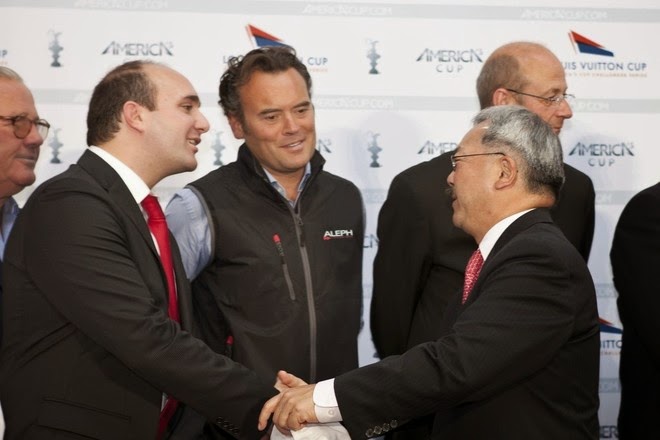
In a further change to an already moving target, the ACWS was effectively de-coupled form the CSS and the AC ‘proper’, altering the nature of the commercial proposition that teams were presenting to prospective partners.
This radical change was a revelation that the new ‘democracy’ could easily be ‘tweaked’.
For those who had already paid up, and done the necessary work to be in a position to take on the original calendar, the change had significant implications.
The stated motivation for the change was that, as things stood, there were only three Challengers.
But that is still the case when one looks at the AC today, as distinct from the ACWS.
I thought it timely to reflect on 2011 and update the blog that has been somewhat neglected among the hectic activities during this very interesting year.
Our role was a technical one: in this case co-coordinating the preliminary work on assembling the design and shore team, planning timelines, design strategy, budget projections, cash flow scenarios, logistics, advising on the technical feasibility of plans made by the marketing team, and setting the foundations for what was to become the team culture on the design and build side of the operation.
A rewarding part of the process was taking part in the Competitor Forums, where talented and very experienced brains came together to flesh out the vision of a spectacular, modern, fast and commercially viable reincarnation of the Phoenix that is the America’s Cup.
Hopefully some worthwhile contributions were made to discussions on the Protocol, the Class Rules, the RRS AC Edition and overarching strategic considerations.
 |
|
Adam South, Dario Valenza, and Nev Whitty (front to back)
on the prototype AC45 in Auckland. Image credit: Unknown
|
Much was learned and clearly there was a genuine passion driving the initiative.
Perhaps in a bull market the outcome would have been different.
However an honest analysis does reveal certain shortcomings which should serve as case study lessons.
From my point of view (inside the team but outside the PR machine), the principal error was a failure to engage those outside the team – the sailing community first, and the greater public as well.
I believe that such communication would have been instrumental to overcome public scepticism. Only those directly responsible will ever know the thinking behind the decisions that led to the lack of outreach and engagement.
In my estimation there was a need for a concerted effort to communicate, to engage, to involve and to excite.
Instead those in charge seemed intent on positively excluding the press.
The silence left open speculation about lack of unity within the syndicate leadership, and conceivable conflicts of interest that may or may not have actually played a role. But this brings us into the realm of conjecture so I shall not probe any deeper in this context.
 |
| Australian uniforms on a boat with the iconic Auld Mug logo, for the first time in many years. Hopefully it will happen again soon. |
The lessons learned and the relationships forged, beyond making the exercise worthwhile, became valuable tools for the next project.
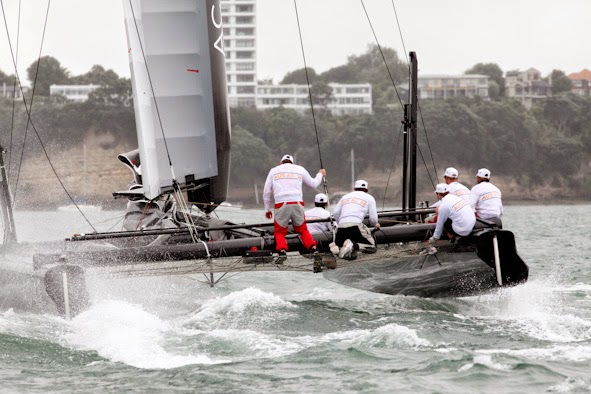
Before:


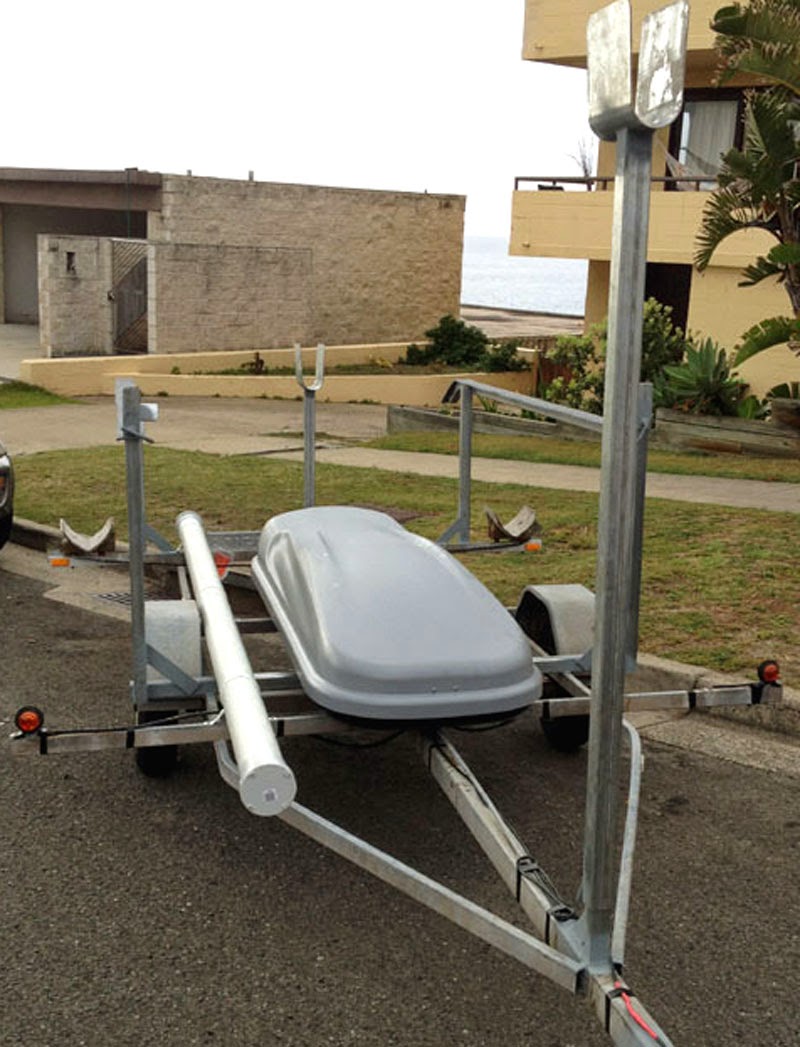

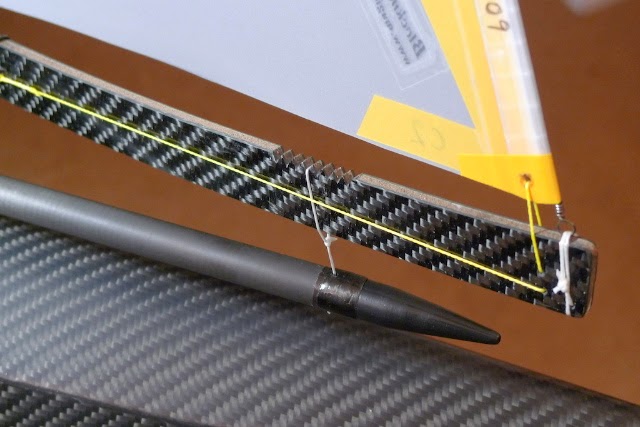
Notice that all adjustments use ‘finite’ steps located by means of pins/holes or notches to guarantee accuracy, replicability, and prevent movement under varying loads.
The design envelope of Octave is being mapped with a view to optimising the eventual production boat with an emphasis on upwind/downwind rig crossovers.

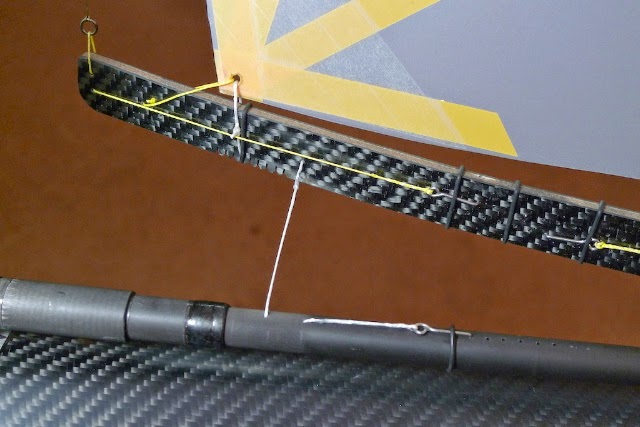


Design work was carried out in collaboration with Simonis-Voogd.
Design co-ordination and build management by Carbonicboats…
This project is for a team looking to build toward the next America’s Cup. They will campaign this maxi as a teambuilding, awareness building and recruiting/practice platform until details of the next Cup cycle are confirmed.


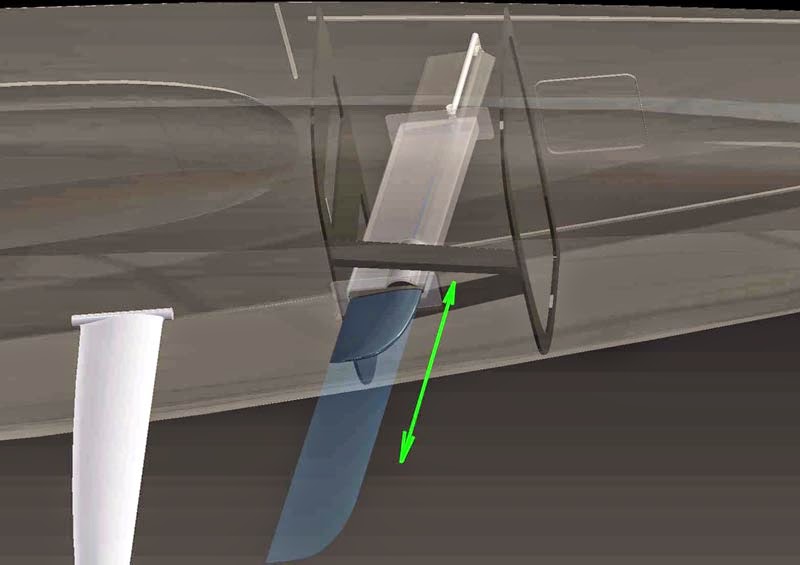

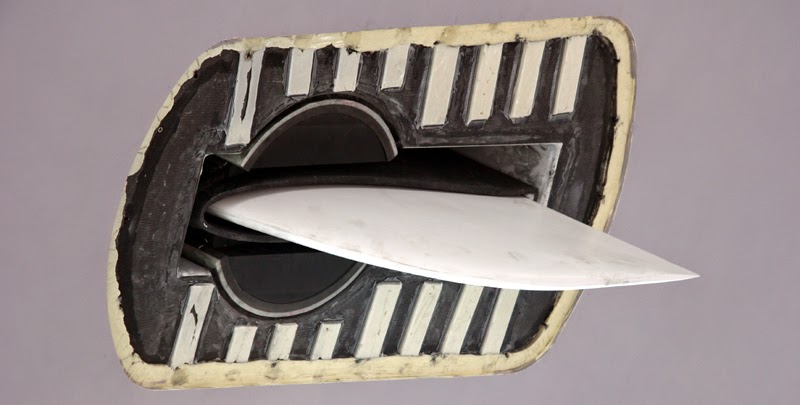
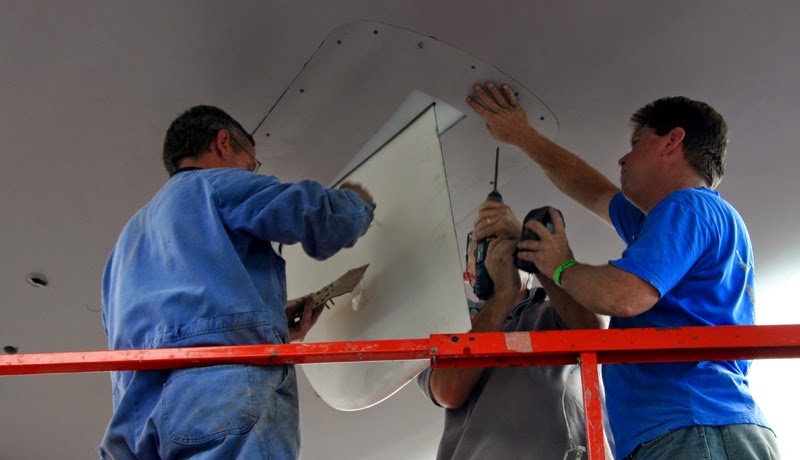


The short fin trunk only extends up as far as the waterline.
The RC shelf provides structural support for the fin, which also incorporates a LERE that is accommodated in a recess in the hull.
Please note that this boat is not produced in house by Carbonicboats.
The design is licensed to an external builder who sells independently.
Contact us for more details.


